Emergency Management
Office of Emergency Services
Be Ready, Santa Cruz
The Office of Emergency Services (OES) helps Santa Cruz plan for, respond to and bounce back from disasters. Got five minutes? Find your zone, sign up for alerts and make a plan with your household.
☎ In an emergency, call 911.
🎢
New · 2-minute game
Ready for the unexpected? Choose your own adventure!
Pick a disaster, make your moves, and see if you'd make it through. (Spoiler: the sea lions won't help.)
Play now →
Start here
Get Prepared Today
Know your risks, make a plan and stay in the loop before disaster strikes. Everything your household needs to get ready, all in one place.
Visit the Preparedness Portal →
🗺
Evacuation Zone Maps
Know your way out. Printable maps for zones SCZ-001 to SCZ-031
Not sure which zone you're in? Look up your address, then pick your zone below to download its map (PDF).
Plan ahead: Every map shows more than one way out. In a real emergency, public safety officers will choose the safest route based on what's happening, so follow their directions.

- SCZ-001(PDF, 2MB)
- SCZ-002(PDF, 3MB)
- SCZ-003(PDF, 3MB)
- SCZ-004(PDF, 3MB)
- SCZ-005(PDF, 3MB)
- SCZ-006Coming soon
- SCZ-007(PDF, 2MB)
- SCZ-008(PDF, 3MB)
- SCZ-009(PDF, 3MB)
- SCZ-010(PDF, 3MB)
- SCZ-011(PDF, 3MB)
- SCZ-012(PDF, 3MB)
- SCZ-013(PDF, 3MB)
- SCZ-014(PDF, 3MB)
- SCZ-015(PDF, 3MB)
- SCZ-016(PDF, 3MB)
- SCZ-017(PDF, 3MB)
- SCZ-018(PDF, 3MB)
- SCZ-019(PDF, 3MB)
- SCZ-020(PDF, 3MB)
- SCZ-021(PDF, 3MB)
- SCZ-022(PDF, 3MB)
- SCZ-023(PDF, 3MB)
- SCZ-024(PDF, 3MB)
- SCZ-025(PDF, 3MB)
- SCZ-026(PDF, 2MB)
- SCZ-027(PDF, 2MB)
- SCZ-028(PDF, 2MB)
- SCZ-029(PDF, 3MB)
- SCZ-030(PDF, 2MB)
- SCZ-031(PDF, 2MB)
🏛
How Santa Cruz Manages Emergencies
Before, during and after: preparedness, mitigation, response and recovery
Disaster readiness takes all of us. See how the City plans ahead, what we've learned from past disasters, and the part you can play.
⚠️
Natural Hazards in Santa Cruz
Different hazards, different risks, depending on where you live, work and play
⛅ What's the weather up to? Check the latest local forecast from the National Weather Service, San Francisco Bay Area office.
-
🌋
Earthquake
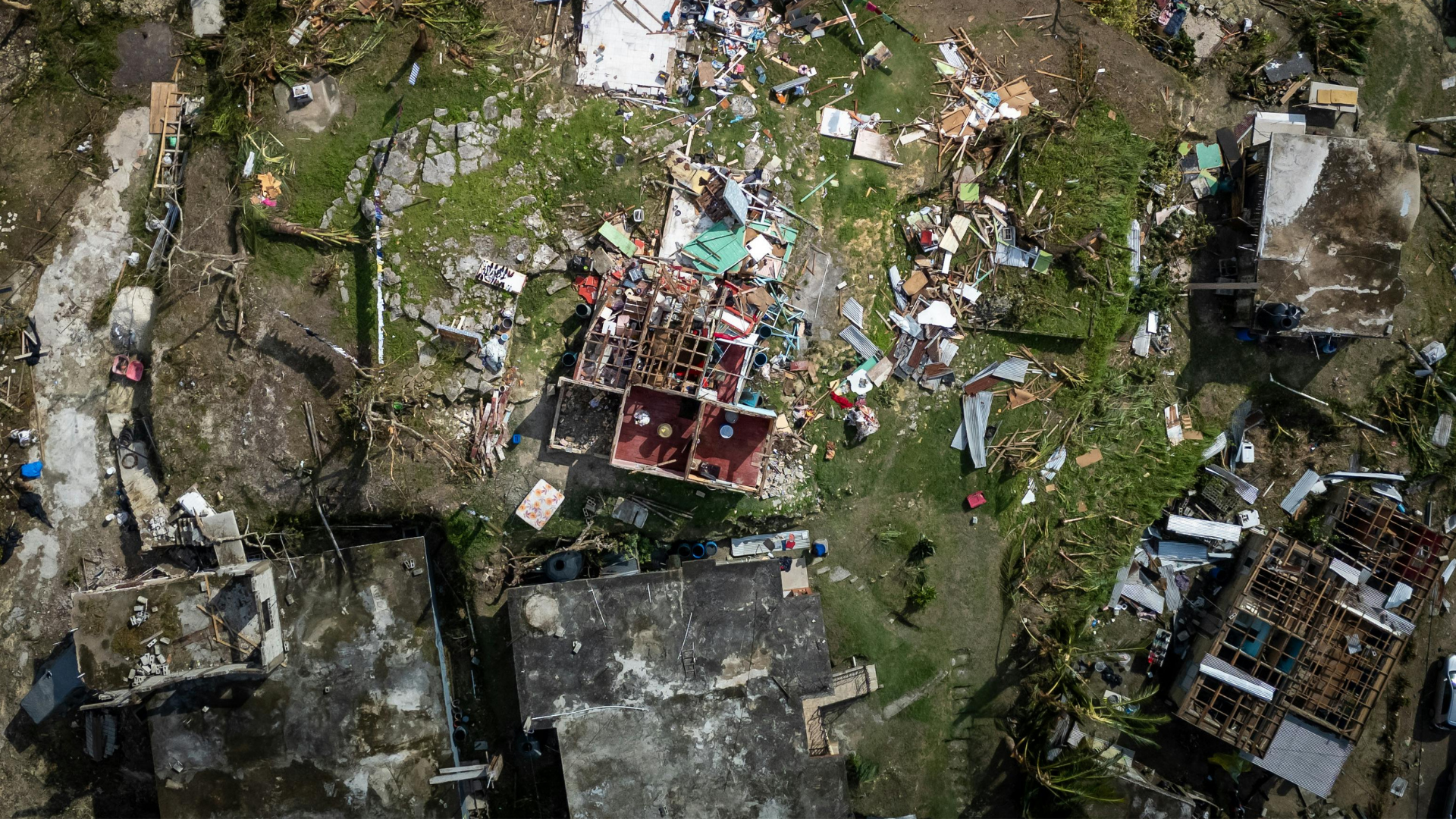
Santa Cruz sits near the San Andreas fault system. When the shaking starts: drop, cover and hold on.
Learn more →
-
🔥

Wildfire
Neighborhoods next to open space and forest face fire risk, especially on hot, dry, windy days.
Learn more →
-
🌊
Tsunami
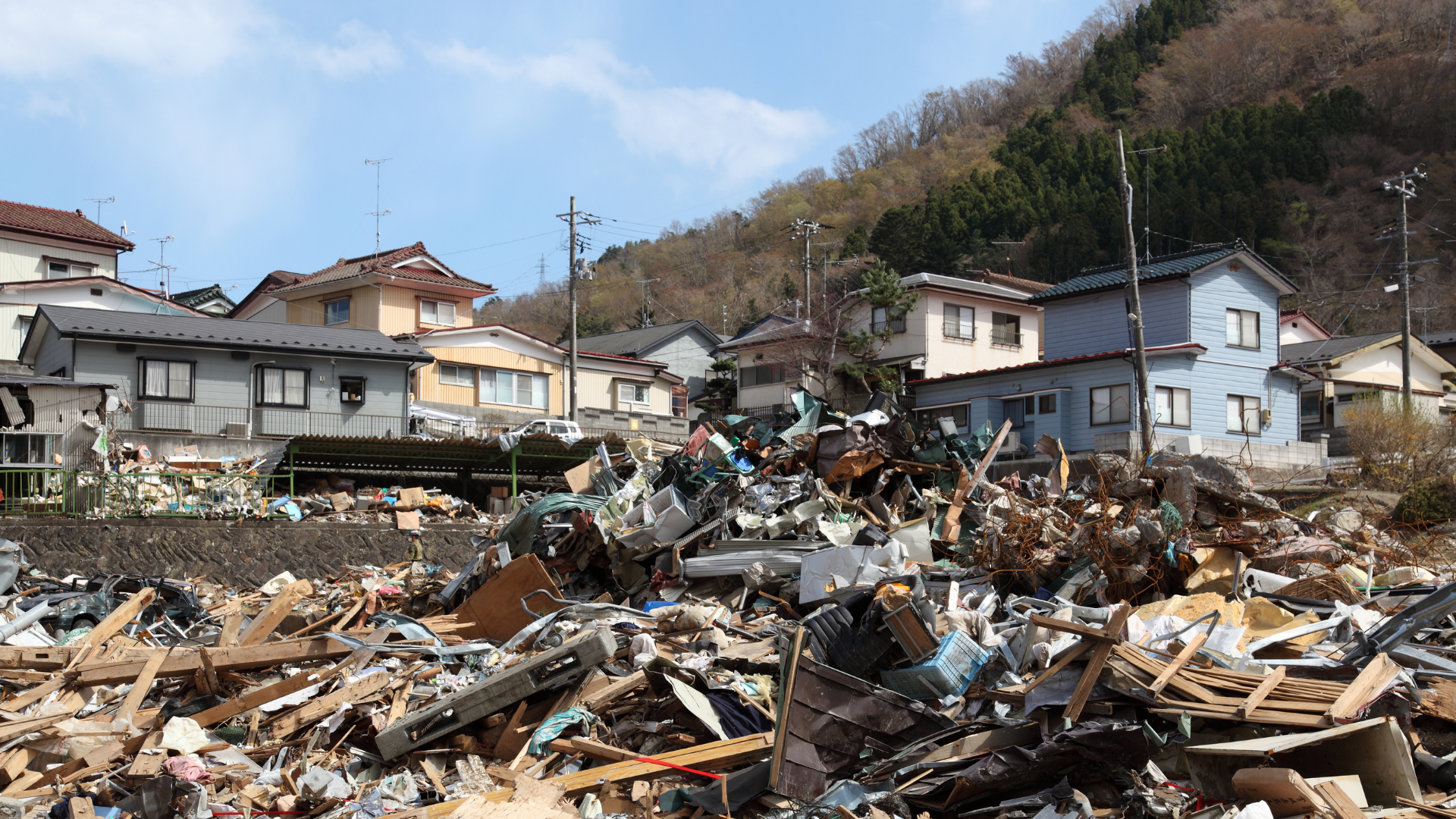
Beaches, the harbor and low-lying coastal areas can be hit by tsunamis from near or far. Long or strong shaking? Get to high ground.
Learn more →
-
🌧

Flooding
Heavy rain can push creeks and rivers over their banks and flood low-lying streets. Turn around, don't drown.
Learn more →
-
⛈

Winter Storms
Atmospheric rivers can bring heavy rain, high winds, downed trees and power outages, sometimes all at once.
Learn more →
-
⛰

Landslides & Debris Flow
Soaked hillsides, especially burn scars, can slide or send fast-moving mud and debris downhill.
Learn more →
-
🌡

Extreme Heat
Heat waves are becoming more common, and they're especially dangerous for older adults, children and outdoor workers.
Learn more →
-
🏞

Sea Level Rise & Coastal Erosion
Rising seas and storm surge are wearing away our bluffs, beaches and coastal infrastructure.
Learn more →
📖
Emergency Operations Plan (EOP) 2025–2030
The City's playbook for coordinating emergency response
The EOP is the City's official game plan for a coordinated, effective response when disaster strikes.

Read the Plan
The EOP applies to all City departments and partner agencies. Inside you'll find:
- Base Plan
- Functional and hazard-specific annexes
- Appendices
Download Base Plan (PDF)(PDF, 7MB)
What is the Emergency Operations Plan?
The EOP is the City of Santa Cruz's official framework for preparing for, responding to, recovering from, and mitigating emergencies and disasters. It assigns roles and responsibilities, establishes coordination structures, and guides decision-making when normal operations are disrupted.
Why does the EOP matter?
It ensures the City can respond efficiently and effectively to any hazard, natural or human-caused. It coordinates action across City departments, partner agencies, and neighboring jurisdictions; supports access to state and federal resources; and helps protect lives, property, infrastructure, and the environment.
When is the EOP activated?
When an incident exceeds routine operations, or when the City Manager or Fire Chief authorizes a coordinated emergency response. Activation may be partial or full depending on the scale of the event.
What is the Emergency Operations Center (EOC)?
The EOC is the central location where City leaders, planners, and partner agencies collect information, set priorities, and coordinate resources during an emergency. It is not the field response scene; it is where decisions are made and support is organized. The City uses the Incident Command System (ICS) and EOC structure so every unit knows its mission.
How does the EOP align with state and federal standards?
The EOP complies with California's Standardized Emergency Management System (SEMS), required by state law (Gov. Code §8607), and the federal National Incident Management System (NIMS). It also aligns with FEMA's Comprehensive Preparedness Guide (CPG 101) and the Santa Cruz County Operational Area EOP. This ensures eligibility for state and federal disaster funding and facilitates mutual aid.
How does the EOP connect to other City plans?
It is the operational link among the City's General Plan, Local Hazard Mitigation Plan (LHMP), Climate Action Plan, Continuity of Operations Plans (COOPs), and departmental emergency procedures. Hazard-specific annexes and protocols are published alongside the EOP and linked within it for quick access during an emergency.
How does the EOP address equity and community needs?
Emergency operations prioritize life safety and are carried out in a way that addresses the needs of historically underserved and marginalized residents. The plan incorporates Access and Functional Needs (AFN) considerations, including people with disabilities, limited English proficiency, older adults, children, unhoused residents, and those with limited transportation, across evacuation, sheltering, communications, and recovery. ADA compliance and non-discrimination requirements apply throughout.
What role do City departments play?
Departments follow the roles, checklists, and coordination pathways assigned in the plan to carry out essential functions during an incident. They help update functional annexes, identify resources and capabilities, and maintain staff readiness.
How is the EOP maintained and updated?
The Office of Emergency Services, within the Fire Department, leads maintenance. The EOP is reviewed annually and comprehensively updated every five years, incorporating lessons from real incidents and exercises, current risk assessments, changes in staffing and technology, and input from departments and community partners.
What happens after the EOP is approved?
The City conducts training, exercises, and briefings to familiarize staff with the plan, and departments revise internal procedures to align with it. Key sections are available publicly for transparency and community preparedness.